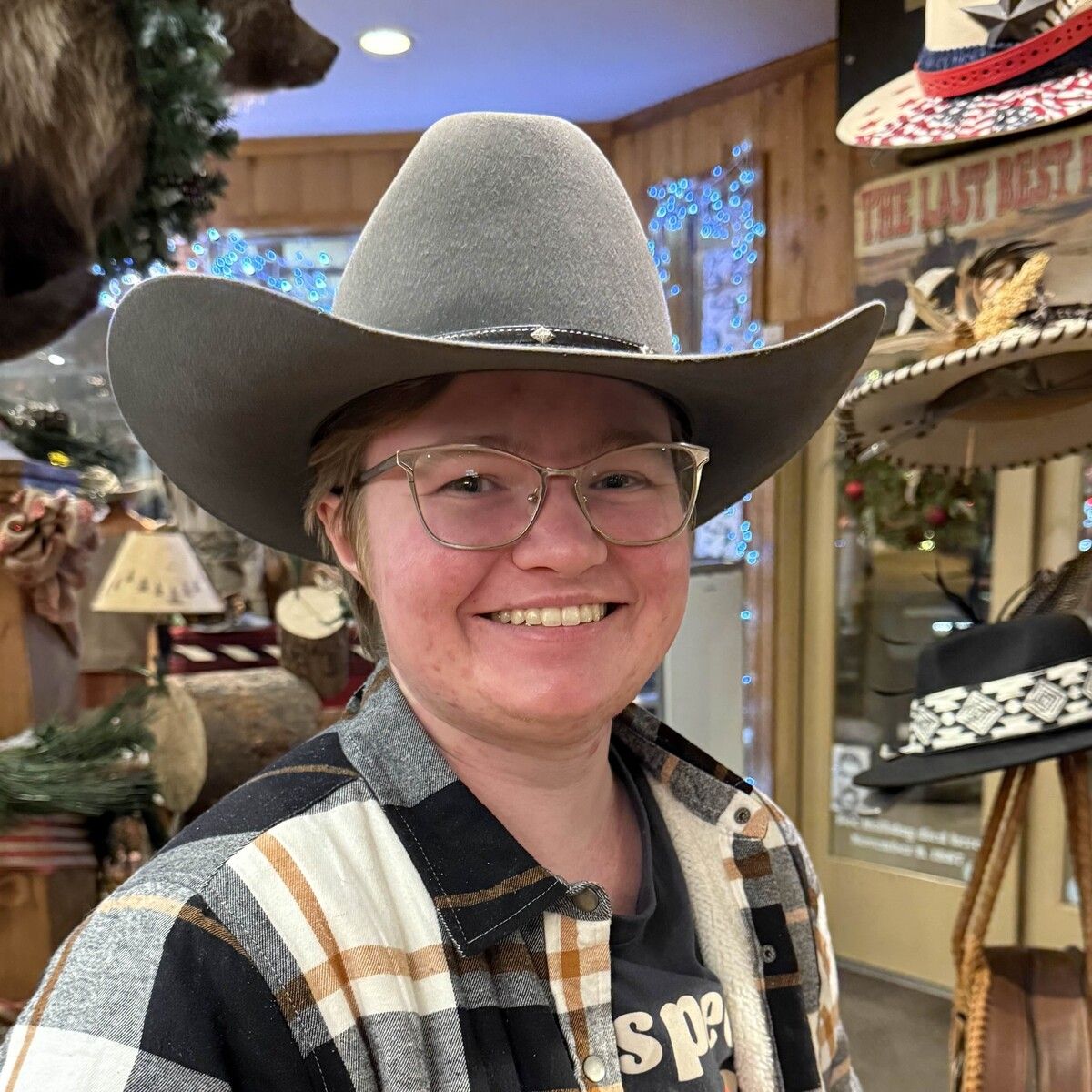


One Thousand of You. Thank You.
This week BeefTech.News passed 1,000 subscribers.
We want to say thank you before we say anything else. Every one of you chose to let a weekly email about beef technology into an inbox that's already full of feed invoices, market reports, and whatever the sale barn sent last night. That's not a small thing, and we don't take it for granted.
When we started this newsletter, the idea was simple: bring you the biggest news in beef, the technology and the trends that will actually change how cattle are raised, fed, and sold, and tell it to you straight. No hype, no vendor spin, no talking down. Just the stories that matter to the people doing the work, from Collbran to Queensland.
A thousand subscribers tells us that mission is worth continuing. It also raises the bar. You're producers, researchers, feeders, and seedstock operators who know this business better than most of the people writing about it. Our job is to be worth your five minutes every week, and we intend to keep earning it.
So, from Harlan and me: thank you. Reply to this email anytime and tell us what we're getting right, what we're missing, and what you want covered next. The best stories we've run started that way.
Here's to the next thousand.
— Jerry Gunderson, Publisher
In partnership with

There’s a reason most ranchers never think about futures exchanges. When a market works, you don’t notice it.
For more than 60 years, cattle futures have effectively lived in one place: CME. Whether you hedge directly, your feedyard hedges for you, or your lender watches futures prices, most of the risk-management machinery in the cattle business runs through the same exchange.
Last week, that changed.
Intercontinental Exchange (ICE), the company that owns the New York Stock Exchange, announced plans to launch live cattle, feeder cattle, and lean hog futures on December 7, pending regulatory approval. The contracts are designed to compete directly with the CME livestock futures.
At first glance, it sounds like an inside-baseball story for traders. It isn’t. Competition at the exchange level eventually trickles down to every producer who sells calves, feeds cattle, borrows operating money, or uses futures prices to make decisions.
The question isn’t whether ICE can launch a cattle contract. The question is whether it can convince enough people to trade it.
First time reading? Sign up for free here
IN SIMPLE TERMS
Why This Matters
Think of it like a second sale barn opening down the road from the one your family has consigned to for three generations. The new facility might be bigger, might have newer computers, and it might even charge lower commissions.
None of that matters if the buyers don’t show up. That’s the situation ICE faces.
The company has largely copied CME’s livestock contracts. Contract sizes, trading months, and trading hours are almost identical. That’s intentional. If a producer, feeder, or trader moves from one exchange to another, ICE wants the transition to feel smooth.
For ranchers, the practical takeaway is simple: more competition is generally good. A credible challenger forces the incumbent to compete harder on fees, service, data access, and technology.
But a futures contract only works if enough people use it. Until real trading volume shows up, ICE’s contracts are a possibility, not a proven alternative.

DEEP DIVE
Why ICE Sees an Opening
The timing isn’t random.
CME is in the middle of a major technology transition, moving parts of its trading infrastructure into new data centers. Bloomberg reported that some trading firms privately expressed concerns about costs and execution speed during the transition, while CME leadership argued the changes would ultimately improve performance.
At the same time, cattle markets have remained unusually volatile. The U.S. herd is at its smallest level in more than fifty years, and some traders have stepped away as volatility has increased. When markets become thinner and more volatile, challengers get their best opportunity.
ICE believes this is one of those opportunities.
The Contracts Look Familiar
And that’s by design.
ICE copied CME's basic livestock structure almost line for line. The exchange doesn't want producers worrying about new contract sizes or unfamiliar trading months. It wants users to focus on liquidity.
Here are the specs:
Contract | Symbol | Size | Months | Settlement | First listed month |
|---|---|---|---|---|---|
Live cattle (physical delivery) | MOO | 40,000 lbs | Feb, Apr, Jun, Aug, Oct, Dec | Delivery of cattle | June 2027 |
Live cattle (financial) | — | 40,000 lbs | Feb, Apr 2027 only at launch | Cash | February 2027 |
Feeder cattle (financial) | COW | 50,000 lbs | Jan, Mar, Apr, May, Aug, Sep, Oct, Nov | Cash | March 2027 |
Lean hogs (financial) | SOW | — | — | Cash | February 2027 |
All four contracts trade during the same general livestock hours producers already know.
One thing stands out, however: The flagship physically delivered cattle contract won't actually be available until June 2027. Between the December launch and next summer, most ICE cattle exposure will occur through cash-settled contracts.
The Part That Actually Matters
Contract specifications aren't the hard part. Liquidity is. A hedge you can't exit at a fair price isn't a hedge, it’s a gamble.
That's why the most important question isn't whether ICE designed a good contract. It's whether there will be a buyer and seller standing on both sides of the market when you need to make a trade.
History suggests that's difficult. ICE previously attempted to challenge incumbent grain contracts. The contracts themselves weren't the problem. The problem was getting enough traders to make the market useful. Matching the incumbent's contract removes a reason not to switch. It doesn't create a reason to switch.
And CME's advantage isn't really technology, it’s habit. Packer contracts reference CME prices. Feedyard risk-management programs reference CME prices. Lenders reference CME prices. The entire industry already speaks the same language.
Changing benchmarks means changing a lot of paperwork. Nobody likes being first.
What To Watch
Three signals will tell us whether ICE is becoming a real cattle market.
1. Open Interest
Watch open interest in the feeder cattle contract (COW) and the early live cattle months.
If participation remains low after the first few weeks, the market hasn't shown up.
2. Packer Adoption
The day a major packer writes a formula or grid contract tied to an ICE settlement is the day this becomes more than a challenger.
3. Market Makers
The most important announcements may not come from ICE itself.
Watch which firms commit capital to posting bids and offers during the launch period. Enthusiasm is cheap. Liquidity is expensive.
Three Questions for Your Broker
If you hedge cattle, ask these before December:
Will your firm clear ICE livestock contracts, and what will it cost?
What index will the financially settled contracts use?
If you hold both CME and ICE positions, will there be any margin offsets?
Those answers matter more than the press release.
BEST LINKS
Our Favorite Finds
Most Relevant for Ranchers
What cattle producers need to know about virtual fencing | Oklahoma Farm Report
Virtual fencing continues gaining traction, but researchers say producers need to understand animal training, management requirements, and practical limitations before adopting the technology. A good overview of where virtual fencing fits today and where it's headed.
Drones help feedyards count cattle faster | High Plains Journal
Feedyards are increasingly using drones to automate inventory counts, reducing labor while improving accuracy. It's a simple application of technology, but one that could save time and improve management for larger cattle operations.
"Cow Fitbits" help ranchers understand cattle behavior | ABC
Australian producers are using wearable sensors to track how cattle move, graze, and interact with their environment. The technology is providing new insights into herd behavior and helping producers make more informed management decisions. Wearable cattle monitoring technology
Market & Tech Trends
AI eye-scanning technology could help detect bovine TB | Farming UK
Researchers are developing AI-powered imaging technology that may eventually identify cattle showing signs of bovine tuberculosis through eye scans. The work is still being developed, but it points toward faster and less invasive livestock disease screening.
Genetics could become a long-term methane-reduction tool | Farms.com
Researchers are exploring whether selecting cattle for naturally lower methane emissions could create permanent reductions without changing feeding programs or management practices. The approach could complement feed additives and other emissions technologies.
Brazil-focused cattle IoT platform expands monitoring capabilities | Developing Telecoms
A new livestock-monitoring platform is combining IoT connectivity, animal tracking, and herd-management data for cattle operations in Brazil and other markets. The project reflects continued growth in connected-livestock technologies worldwide.
Experimental / Future Tech
Virtual fencing gets its first "moving fence" | Mirage News
Gallagher and eShepherd have unveiled technology that allows virtual fence boundaries to move automatically across a pasture. The concept could eventually enable highly automated grazing systems that adjust cattle movement without manual intervention.
Researchers use advanced sensors to track every movement cattle make | New Herald News
New research is leveraging wearable technology and data analytics to monitor cattle movement patterns in unprecedented detail. The work could improve welfare monitoring, grazing management, and early disease detection.
Genomics company pushes new approach to beef tenderness | Everyone’s Internet News Presswire
A genetics-focused company says proprietary genomic tools could improve the industry's ability to predict and select for beef tenderness. While still an emerging area, genomic selection continues expanding beyond traditional production traits.
Own the future of agriculture robotics

Find out why the biggest food companies are quietly investing in this herbicide-free tech.
Greenfield Robotics is building a new category of agricultural equipment: autonomous robots designed to help farmers manage weeds with precision.
What does “autonomous” mean? Greenfield’s robots are built to navigate fields, identify weeds, and perform targeted weed removal with minimal human intervention.
But the bigger opportunity may be the platform itself. It raises a bigger question: if robots can autonomously manage weeds, what other farm tasks could they eventually take on?
Greenfield is already expanding the platform beyond weeding, with feeding, spraying, and cover-crop planting on the roadmap.
The vision: a new generation of farm equipment that can perform more work autonomously—potentially reducing dependence on chemical inputs and the rising costs associated with conventional farming.
Investors can own a stake in Greenfield Robotics through its Regulation A+ offering. Up to 20% bonus shares this round.
This Reg A+ offering is made available through StartEngine Primary, LLC, member FINRA/SIPC. Please read the Offering Circular and related disclosures before investing. This investment is speculative, illiquid, and involves a high degree of risk, including the possible loss of your entire investment.
WRAPPING UP
Until Next Week
If you don't hedge, nothing changes on December 7. Your calves will still price off a CME-centered market for the foreseeable future.
If you do hedge, this is worth watching.
The bottom line is simple: ICE launching livestock futures is good for producers on day one, even if it ultimately fails. Competition has a way of improving fees, data access, and service.
Whether ICE becomes a real cattle market depends on one thing that doesn't exist yet: Traders willing to show up.
For sixty years there has been one meaningful place to hedge cattle. Starting December 7, we'll find out if the industry wants a second.
BeefTech.News – Keeping you ahead of the herd.
P.S. Was this useful? Have ideas on what we should publish next? Tap the poll or respond to this email. We read every response.